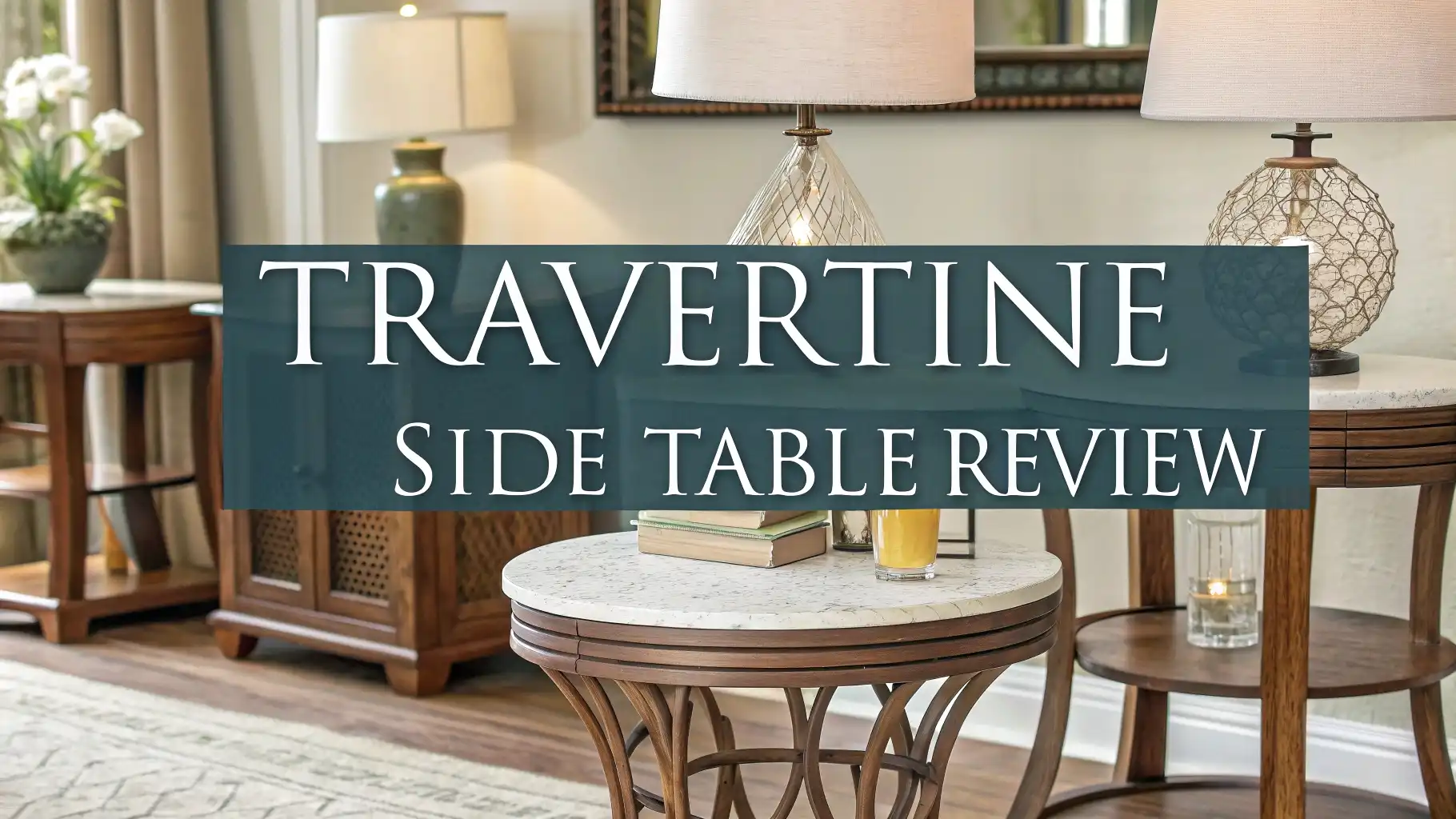
Travertine Side Table Review: Honest Results You Can Expect
Picture this. You walk into your living room after a long day. Your eyes land on a stunning piece of furniture that catches the natural light perfectly.
It feels warm. It looks sophisticated. It becomes the conversation starter every guest notices first. This is the magic of a travertine side table.
This comprehensive review helps you discover the best travertine side tables available online. We dig deep into features, benefits, and real value.
Key Takeaways
- Natural Beauty That Lasts: Travertine side tables offer unique patterns and warm tones that add character to any space. Each piece is one of a kind because natural stone never repeats itself.
- Durability You Can Count On: These tables withstand daily wear and tear remarkably well. With proper care, your travertine accent table can last for decades. The stone resists heat, scratches, and moisture better than many alternatives.
- Versatile Design Options: Whether you prefer round, oval, square, or sculptural designs, travertine side tables fit seamlessly into various interior styles. They work equally well in contemporary, traditional, bohemian, or coastal spaces.
- Investment in Quality: While travertine tables typically cost more upfront than basic alternatives, they provide exceptional long term value. The combination of durability, timeless appeal, and low maintenance makes them a smart furniture investment.
- Maintenance Matters: These tables require gentle care with pH neutral cleaners and occasional sealing. Avoiding acidic substances and using coasters protects the natural stone finish. Simple daily dusting keeps them looking pristine.


Last update on 2026-10-22 / Affiliate links / Images from Amazon Product Advertising API
What Makes Travertine Side Tables So Special
Travertine stone comes from natural limestone formations. Water flows through limestone caves for thousands of years. Minerals deposit layer upon layer. This creates the distinctive porous texture and beautiful patterns you see in travertine.
The stone features warm earthy tones ranging from cream and beige to tan and light brown. Natural variations in color make every table completely unique. No two pieces look exactly alike. This individuality adds character to your space that manufactured materials simply cannot match.
Travertine has been used in architecture for centuries. Ancient Roman structures still stand strong today thanks to travertine construction. When you bring a travertine side table into your home, you connect with this rich history. The material carries a sense of permanence and quality.
Empire Art Direct Double Hourglass Travertine Side Table
This stunning piece features a distinctive double hourglass silhouette that commands attention. The curved design creates visual interest from every angle. Made with Italian inspired travertine stone finish on MgO construction, it delivers authentic looks with practical benefits.
The table measures 15.7 inches wide by 18.5 inches tall. This compact size fits perfectly beside sofas, chairs, or beds. The neutral tone complements both warm and cool color schemes. It works beautifully as an accent piece in living rooms, bedrooms, or home offices.
The smooth travertine finish mimics authentic Italian stone with remarkable accuracy. The manufacturing process captures the natural variations and subtle color shifts. You get the luxury look without the extreme weight of solid stone. This makes placement and rearranging much easier.
Signature Design by Ashley Henfield Contemporary Accent Table

Last update on 2026-10-20 / Affiliate links / Images from Amazon Product Advertising API
The Henfield table brings contemporary elegance with its cylindrical leg design. This Ashley Furniture piece combines beige and light brown tones for rich visual depth. The travertine inspired finish creates an upscale look at a reasonable price point.
With a 4.6 star rating from 34 customer reviews, this table has proven popular. Buyers consistently praise its sturdy construction and attractive appearance. The cylindrical legs provide a modern twist on traditional side table design. They create an airy feel that works well in smaller spaces.
The table surface offers ample room for lamps, drinks, books, or decorative objects. The height aligns perfectly with standard sofa arms. This makes it ideal for placing beside seating areas. The neutral color palette ensures it blends seamlessly with existing furniture.
Travertine Effect Square Nesting Table Set

Last update on 2026-10-21 / Affiliate links / Images from Amazon Product Advertising API
This clever nesting table set offers two tables for the price of one. The square design with travertine effect finish brings modern sophistication. These tables stack together for storage or separate for flexible use throughout your home.
The nested design solves a common problem. Sometimes you need extra surface space. Other times you want to maximize floor space. This set adapts to your changing needs effortlessly. Pull out the smaller table when guests arrive. Tuck it away when you need more room to move.
Both tables feature the same attractive travertine inspired finish. The consistent styling creates a cohesive look when used together. The square shape differs from traditional round side tables. This gives your space a contemporary edge while maintaining warmth.
Top 3 Alternatives for Travertine Side Tables

Last update on 2026-10-22 / Affiliate links / Images from Amazon Product Advertising API

Last update on 2026-10-22 / Affiliate links / Images from Amazon Product Advertising API

Last update on 2026-10-22 / Affiliate links / Images from Amazon Product Advertising API
Understanding Travertine Versus Faux Travertine
Real travertine comes directly from quarries. Manufacturers cut it from large stone blocks. Each piece shows authentic geological formation patterns. The weight feels substantial. The cool touch identifies genuine stone immediately.
Faux travertine uses various materials to recreate the look. Some use MgO (magnesium oxide) with travertine finish. Others employ resin or concrete with surface treatments. These alternatives offer several practical advantages for furniture applications.
Weight difference matters significantly. Genuine travertine tables can weigh 50 to 100 pounds or more. Faux alternatives typically weigh 20 to 40 pounds. This affects shipping costs, ease of movement, and floor stress. Most homes benefit from the lighter options.
Styling Your Travertine Side Table in Different Rooms
Living room placement creates a focal point beside sofas or accent chairs. Position your travertine table where it catches natural light. The stone surface reflects light beautifully throughout the day. Add a table lamp with a linen shade for evening ambiance.
Bedroom styling transforms your travertine piece into a sophisticated nightstand. The sturdy surface holds lamps, books, and morning coffee easily. The neutral tones create a calming atmosphere conducive to rest. Pair it with crisp white bedding for a hotel inspired look.
Home office applications bring professional polish to work spaces. Use a travertine side table as a printer stand or file storage surface. The elevated appearance impresses during video calls. The durable surface withstands daily office equipment without showing wear.
The Durability Factor: How Long Do These Tables Last
Travertine furniture earns its reputation for longevity. With reasonable care, these tables serve your home for 20 to 30 years or more. The stone itself remains structurally sound indefinitely. Surface appearance depends on maintenance and usage patterns.
Physical strength impresses even skeptics. Travertine resists everyday bumps and impacts well. Dropping typical household items causes minimal concern. The stone absorbs force without cracking under normal circumstances. This makes it practical for active households with children.
Heat resistance provides peace of mind. Brief contact with hot mugs or plates causes no damage. The stone conducts heat away from the surface quickly. However, extremely hot items should still use trivets for extended periods. This prevents potential discoloration over time.
Environmental factors affect longevity too. Indoor placement protects tables from extreme weather. Stable temperature and humidity preserve the finish. Avoid positioning near heating vents or air conditioners. These create dramatic temperature swings that stress any material over time.
Maintenance and Care for Your Travertine Side Table
Daily maintenance takes minimal effort. Dust the surface with a soft dry cloth regularly. This prevents particle buildup that could scratch over time. Quick wiping keeps the natural beauty visible. Most owners spend less than 30 seconds on daily care.
Cleaning spills promptly prevents staining. Blot liquids immediately with a clean cloth. Avoid rubbing which spreads the spill wider. Use a damp not soaking cloth for water based spills. Dry the area thoroughly afterward to prevent water spots.
Weekly cleaning involves slightly more attention. Mix warm water with a drop of mild pH neutral soap. Dampen your cloth in this solution. Wring out excess water thoroughly. Wipe the entire surface gently. Follow with a dry cloth to prevent streaking.
Products to avoid matter as much as products to use. Never apply vinegar, lemon juice, or acidic cleaners. These etch the stone surface permanently. Skip harsh chemical cleaners and abrasive scrubbing pads. Stick with gentle pH neutral stone cleaners designed for natural stone.
Size and Proportion: Choosing the Right Dimensions
Height considerations impact functionality significantly. Standard side tables measure 22 to 30 inches tall. This aligns with typical sofa arm height. Your table top should sit level with or slightly below the sofa arm. This creates comfortable reach without awkward stretching.
Measure your existing furniture before ordering. Note the height of chairs, sofas, or beds where the table will live. Compare these measurements to product specifications carefully. A few inches difference affects both appearance and usability dramatically.
Surface area determines practical capacity. Round tables 16 to 20 inches diameter accommodate lamps and drinks comfortably. Square tables 18 to 24 inches wide offer more surface space. Consider what items you plan to keep on the table regularly.
Oversized tables overwhelm small spaces visually. They crowd seating areas and impede traffic flow. Undersized tables look lost beside large furniture. They provide insufficient surface for practical needs. Finding the sweet spot creates visual balance and functional satisfaction.
Color and Finish Options in Travertine Tables
Cream and ivory tones dominate the travertine spectrum. These lightest shades reflect maximum light. They brighten spaces and create airy feelings. Cream travertine pairs beautifully with white, gray, and pastel color schemes. It maintains a fresh clean appearance.
Beige and tan variations offer slightly warmer presence. These middle tone options coordinate with more color families. They hide minor dirt better than pure white tones. Beige travertine complements wood furniture naturally. The warm undertones create cozy inviting spaces.
Light brown travertine provides the richest color depth. These darker pieces ground spaces visually. They anchor lighter colored rooms effectively. Brown tones pair wonderfully with leather furniture and metal accents. This creates sophisticated masculine or rustic aesthetics.
Mixed tone pieces showcase natural variation. Swirls of different shades appear throughout the surface. This creates dynamic visual interest that changes with lighting. Mixed tone tables work as focal points. They add movement to otherwise static spaces.
Price Range Analysis: What to Expect
Budget friendly options start around $80 to $150. These typically feature faux travertine finishes on lightweight materials. Quality varies significantly in this range. Read reviews carefully before purchasing. Some budget options surprise with excellent value. Others disappoint with flimsy construction.
Mid range tables from $150 to $300 offer better quality consistency. Expect improved materials, better finishing, and increased durability. Most Amazon bestsellers fall into this category. These pieces balance affordability with longevity effectively. They suit most homeowners’ needs perfectly.
Premium options from $300 to $600 feature superior construction. Materials improve noticeably. Finishes show more attention to detail. These tables often come from established furniture brands. The investment pays off in appearance and lifespan.
Luxury travertine tables exceed $600 easily. Some reach $1000 or more. These feature genuine Italian travertine or designer names. The quality justifies prices for dedicated design enthusiasts. However, most homes function beautifully with mid range options.
Customer Reviews: What Real Buyers Say
Positive feedback consistently mentions visual appeal. Buyers love how these tables elevate their spaces. Many report receiving compliments from guests. The sophisticated appearance exceeds expectations based on photos. This delights customers who worried about online furniture shopping.
Ease of assembly earns frequent praise. Most travertine side tables require minimal setup. Simple attachment of legs takes 10 to 20 minutes maximum. Clear instructions help even furniture assembly novices succeed. This convenience factor influences positive ratings significantly.
Durability surprises many buyers pleasantly. Customers report tables maintaining appearance after months of daily use. The surfaces resist scratching better than anticipated. Families with children note impressive resilience. This real world performance builds customer confidence and satisfaction.
Travertine Tables for Small Spaces
Compact designs serve apartment dwellers brilliantly. Look for tables 16 inches diameter or smaller. Round shapes maximize surface area while minimizing floor footprint. The circular form allows closer furniture placement without sharp corners creating obstacles.
Nesting tables solve the occasional need for extra surfaces. Keep the smaller table tucked away normally. Pull it out when entertaining or working on projects. This flexibility makes small spaces feel larger. You enjoy more surface area without permanent space commitment.
Vertical emphasis helps small rooms feel taller. Choose tables with slender profiles and taller proportions. The eye travels upward rather than sprawling horizontally. This creates illusion of expanded space. Pedestal bases reinforce this vertical movement effectively.
Pairing Travertine with Other Materials
Wood combinations create warm organic spaces. Dark walnut or mahogany furniture contrasts beautifully against light travertine. The temperature variation adds visual interest. Natural grain patterns complement stone’s geological patterns. This pairing suits traditional and transitional styles perfectly.
Light oak or pine keeps spaces feeling bright and casual. The similar tones create harmonious flow. This combination works wonderfully in Scandinavian or coastal designs. Both materials celebrate natural origins. They bring outdoors inside effectively.
Metal accents introduce contemporary edge. Black iron bases on travertine tables provide industrial chic. Brass or gold metal accessories add glamorous touches. Chrome finishes create sleek modern aesthetics. Metal’s smooth uniformity contrasts stone’s textured organics beautifully.
Environmental Considerations and Sustainability
Natural stone extraction impacts environments where quarried. Responsible companies minimize disruption and restore sites afterward. Some travertine comes from quarries operating for centuries. Established sites generally cause less environmental harm than opening new locations.
Transportation creates the largest carbon footprint. Stone quarried internationally travels thousands of miles. This generates significant emissions. Domestic stone sources reduce environmental impact. However, Italian travertine remains popular for quality and tradition.
Faux travertine alternatives reduce extraction needs. These materials typically require less energy to produce. Manufacturing facilities often operate under environmental regulations. The lighter weight decreases shipping emissions. These factors make faux options more environmentally friendly.
Frequently Asked Questions
Do travertine side tables need special coasters?
Regular coasters work perfectly fine with travertine tables. The stone resists heat and moisture reasonably well when sealed. However, coasters prevent any potential issues before they start. Use coasters under all drinks consistently. This simple habit prevents 95 percent of staining risks. Choose cork or felt backed coasters to avoid scratching from rough coaster bottoms.
Can I place a travertine table on carpet?
Yes, travertine tables work beautifully on carpeted floors. The weight actually helps by creating stable placement that resists shifting. Ensure the base design distributes weight evenly. Pedestal bases work better than small feet that might sink into plush carpet. Consider placing furniture pads under the base if your carpet shows indentation easily.
How much weight can travertine side tables hold?
Most travertine side tables safely support 30 to 50 pounds. This exceeds typical side table needs considerably. Lamps, books, drinks, and decorative items fall well within limits. Avoid using side tables as step stools or seats. The weight capacity handles objects not people. Check manufacturer specifications for exact numbers on specific models.
Will my travertine table darken over time?
Properly sealed travertine maintains its color remarkably well. You should not see significant darkening with normal use. However, unsealed stone can absorb oils from hands and gradually darken. Regular sealing prevents this issue completely. Direct sunlight may cause slight fading over many years. This happens so gradually you likely will not notice.
Can I paint or refinish a travertine table?
Painting natural stone is not recommended and rarely looks convincing. The beauty lies in the authentic stone appearance. Refinishing options include resealing, polishing, or professional resurfacing. These enhance existing beauty rather than covering it. If you want a different look entirely, consider selling and buying a style you prefer.
Are there lightweight travertine table options?
Faux travertine tables provide lighter weight alternatives to solid stone. These typically weigh 60 to 70 percent less than genuine travertine. The appearance remains convincingly stone like. This makes moving and rearranging much easier. Most Amazon options fall into this category providing the best of both worlds.
How do I know if my travertine needs resealing?
Test by placing water drops on the surface. Properly sealed stone repels water for several minutes. If water absorbs within 30 seconds, resealing is needed. Most tables need annual sealing. High traffic pieces may require twice yearly attention. The process takes minimal time and prevents significant problems.
Can travertine tables work in modern minimalist spaces?
Absolutely! The clean lines and neutral tones complement minimalist aesthetics perfectly. Choose simple geometric shapes like cylinders or rectangles. Avoid ornate carved details that clash with minimalist principles. The natural texture provides visual interest without clutter. Travertine adds warmth that prevents minimalist spaces from feeling cold.
What is the best way to move a heavy travertine table?
Use furniture sliders under the base for carpet or hard floors. These protect surfaces while making movement easier. Lift from the base, never the top. Tops can detach or crack under lifting stress. Get help for heavier pieces. Two people prevent accidents and damage. Move slowly and carefully around corners.
Do travertine tables go out of style?
Natural stone has remained popular for thousands of years. Current trends favor natural materials and organic textures. These preferences align perfectly with travertine aesthetics. While specific styles evolve, stone furniture maintains timeless appeal. Your travertine table will look current for decades with its neutral organic beauty.

Hi, I’m Rose Callahan, the creator of SpaceSmart.blog.
I review home essentials, gadgets, security tools, kitchen gear, furniture, and cleaning products from Amazon.
My goal is to help you create a smarter, more organized, and comfortable living space.
I test and share practical products that make everyday home life easier and more efficient.
Join me as I explore clever ways to upgrade your home—one smart find at a time.