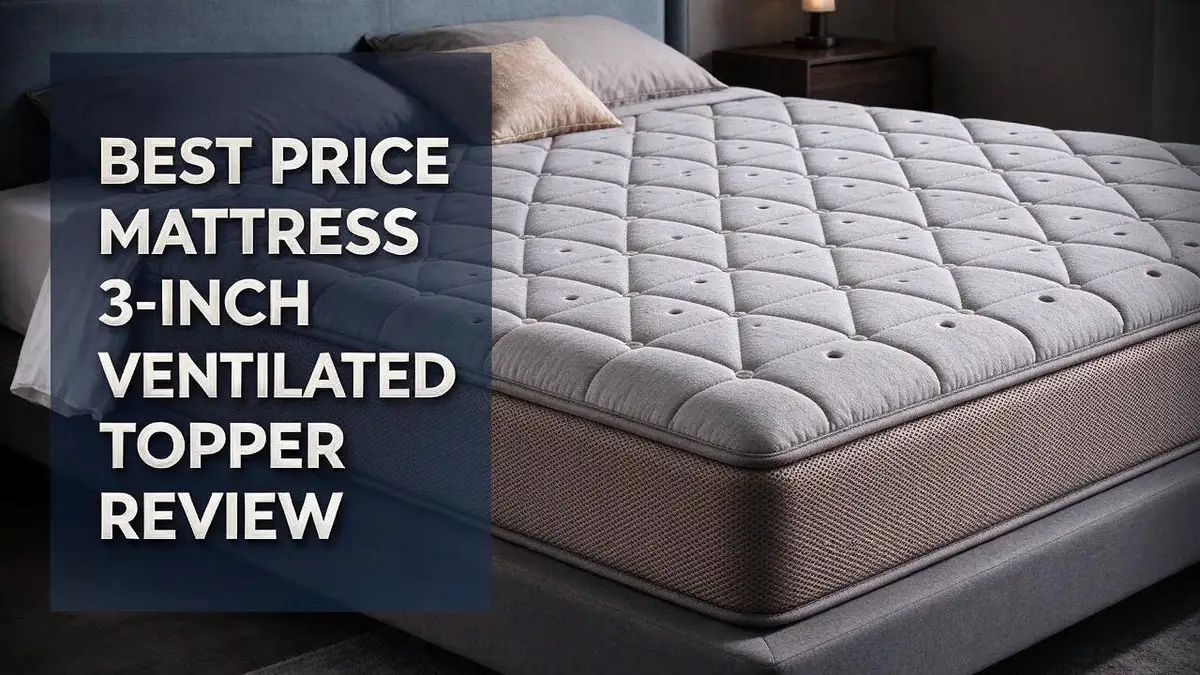
Best Price Mattress 3-Inch Ventilated Topper Review 2026
Do you wake up with a sore back or tired hips? A good mattress topper can change how your bed feels. Many sleepers look for an easy way to add comfort without buying a new mattress.
The Best Price Mattress 3-Inch Ventilated Topper uses memory foam that molds to your body. It helps spread your weight evenly. This can ease pressure on your shoulders, hips, and lower back.
Airflow matters too. The ventilated design lets air move through the foam, which may help you stay cooler. Many toppers trap heat, so this feature is worth a closer look.
The 3-inch thickness gives a soft, cozy feel. It also comes in a queen size. In this review, you will learn how it performs, what sleepers like, and where it may fall short. Keep reading to see if this topper fits your sleep style.
In a Nutshell
-
Memory foam that hugs your body: This topper molds to your shape as you lie down. It helps ease pressure on your hips and shoulders, so you can rest more comfortably through the night.
-
Airflow built into the design: The ventilated top layer lets air move through the surface. Many sleepers notice less trapped heat than they feel with dense toppers.
-
Soft feel for side sleepers: The plush surface cushions joints well. Side sleepers often enjoy this extra softness the most, especially around the shoulders and hips.
-
Less stability than thinner options: Three inch toppers feel softer and can sink more under your weight. If you need firmer support, choose a thinner model instead.
-
Details worth checking: Material density, weight, and cover details are not clearly listed in the product information. Read the product page carefully before you make your decision.
-
Warranty coverage: The brand lists a three year warranty on its sibling model. Confirm that the same coverage applies to this size before you buy.
Pressure Relief and Body Support


Last update on 2026-10-27 / Affiliate links / Images from Amazon Product Advertising API
Pressure relief starts with knowing where your body feels the most weight. Hips, shoulders, and knees often take the most strain overnight. When these points press hard into a firm surface, they can feel sore by morning.
A topper like this one adds a soft layer above your current mattress. It helps soften those pressure points. The foam gives slightly under heavier areas and offers support where your body needs it. This can ease tension in the lower back and shoulders, too.
Spinal alignment matters just as much. Your spine should stay fairly straight while you sleep. If your hips sink too far, your lower back may bend. If the surface stays too firm, your back may arch instead. A topper can fill small gaps that form under your waist.
Side sleepers usually need the most cushioning. Back sleepers often need a little less softness. Stomach sleepers may feel more sinking, which can strain the neck. Lie down in your usual position and notice how your body settles. Good relief should feel even, not like you are stuck in a deep hole.
Give your body time to adjust. Some people feel relief right away. Others notice a change after a week or two. Try the topper for several nights before you decide how it feels.
Rotate the topper often. Turning it every few months helps the foam wear evenly. Even wear keeps the pressure relief steady over time. This simple habit can also keep the surface feeling fresh.
Your mattress underneath plays a big role, too. A sagging base can cancel out the benefits of any topper. Check that your base feels firm and flat before you add a new layer. Quality of the base matters as much as the topper itself. If the base is worn out, a topper alone may not solve the problem.
Airflow and Temperature Management
Heat can ruin a good night of sleep. Many people wake up sweaty because their bed holds warmth. This section explains how this topper handles air and temperature.
Memory foam has a reputation for holding heat. Foam can trap body warmth close to the skin. Steady airflow helps that warmth leave before it builds up.
Your sleep setup matters as much as the topper. Sheets made from cotton or bamboo can feel lighter on hot nights. Pick a breathable mattress protector too, since plastic layers hold heat.
Room temperature plays a big role too. Keep the bedroom cool, around 65 to 68 degrees Fahrenheit, for the best rest. A fan can also move air across the surface.
Check the cooling features before you buy. Some toppers use gel to pull heat away from the body. Gel is listed on a sibling model, not this exact version. Read the product details closely to confirm.
Pay attention to how you feel after a few nights. If you still feel hot, the topper may not suit your sleep style. Hot sleepers often prefer a thinner layer or a cooler cover.
Dust and pet hair can clog the surface over time. Vacuum the topper gently every few weeks. Clear surfaces let air pass through freely.
A cool sleep brings real benefits. Deeper rest often follows when the body stays comfortable. Your mood may feel better too.
Start with a short test. Sleep on the topper for two or three nights before you decide. Track how warm you feel at midnight and at dawn.
Keep notes in a sleep journal for one week. Patterns often show up quickly, so trust your notes.
Many sleepers find that small changes make a big difference. A light blanket, a cool pillow, and a comfortable room can work together. Your bed becomes a cooler place to rest.
Thickness, Softness and Stability
Thickness is only one part of the story. Think of the topper as a cushion that sits on top of your mattress.
The base mattress still does most of the work. A thick topper on a sagging bed will not fix the dip. Check your mattress first.
A 3 inch layer works well on a firm mattress. It can soften a bed that feels too hard for your comfort.
Softness depends on how the foam pushes back. Press the surface with your palm and watch how fast it recovers.
If the dent lingers, the foam may feel slow to respond. That slow response can make getting in and out of bed feel harder.
Your body weight matters too. Heavier sleepers may press through a soft layer faster than lighter sleepers.
Stability is about how the surface feels when you shift positions. Rolling over should not cause a deep dip.
A stable topper keeps your hips and shoulders level. That balance helps you wake up without aches.
Edges need a closer look. Many toppers sag near the sides. Sit on the edge before you commit to a full night.
Fit matters as much as thickness. The topper should match your bed size exactly. Loose corners can shift and bunch up overnight.
Corner straps or grip pads can hold it in place. A secure fit keeps the surface even from head to foot.
Some sleepers want firmness under the hips. A thick soft layer may let the hips sink too far.
Try lying on your side for a few minutes before you decide. Notice whether your hips feel supported.
Give the topper a full week of testing. Your first night may feel different from the third. Foam often changes shape as it adapts to your body. Keep notes on pain, sleep quality, and morning feel.
Good stability makes a 3 inch topper more useful. Your mattress and topper should work as one team.
Top 3 Alternatives
Linenspa Memory Foam Topper

Last update on 2026-10-21 / Affiliate links / Images from Amazon Product Advertising API
Many sleepers want soft comfort without a complicated setup. This topper adds a cushioned layer to a firm bed. It works well for people who want gentle pressure relief for the hips and back. Setup takes minutes. Simply unroll the topper and let it expand. Many owners notice a softer feel after the first night.
Best for: Side sleepers who want a plush feel.
LUCID Gel Mattress Topper

Last update on 2026-10-20 / Affiliate links / Images from Amazon Product Advertising API
Some sleepers feel hot at night. This topper uses gel infused foam to help pull heat away from the body. It keeps the surface cool and supportive. The firmer feel suits back sleepers who need extra lift. You can also use it to refresh an older mattress that has lost its shape.
Best for: Hot sleepers who want a cooler night.
Milliard Memory Foam Topper

Last update on 2026-10-25 / Affiliate links / Images from Amazon Product Advertising API
This option gives a plush, hugging feel. The foam molds to the body and eases pressure points. It fits many standard beds and stays in place well. Care is simple. Spot clean the cover and air it out when needed. Your topper stays fresh for longer with regular care.
Best for: Combination sleepers who want easy upkeep.
Fit, Size and Setup
Getting the fit right makes a big difference in comfort. A topper that does not match your bed can slide, bunch, or leave bare spots. This section explains how to choose the right size and set it up with ease.
Start with a simple measurement. Measure the length and width of your mattress. Then measure the depth from the top edge to the bottom edge, including any pillow top.
The listing shows a queen size. Compare that number with your own bed. A queen topper suits a queen mattress, while a king bed needs a king topper.
Check the corners too. Deeper mattresses need a fitted design or corner straps. Without them, the topper may slip off during the night.
Plan for the extra height. Adding a layer raises your bed. This can affect bed skirts, nightstands, and how easy it is to climb in.
Measure your sheets as well. Standard fitted sheets may not stretch over the new height. Look for sheets with deeper pockets.
Setup starts with unboxing. Remove the packaging and unroll the topper on a clean floor. Keep it flat and let it expand fully before you move it.
Next, place the topper on the mattress. Line up the edges with the bed frame so the corners sit square. Smooth out any wrinkles with your hands.
Add a protector that fits the new height. A good protector keeps the surface clean and helps the topper stay in place.
Give the foam a few minutes to take shape. Some toppers need extra time to reach their full form. Wait before you judge the fit.
Finish with a quick check. Lie down and see if the topper stays put. If it shifts, tighten the straps or adjust the sheet. A snug setup helps the topper work well every night.
Warranty and Long-Term Durability
A warranty shows how long the maker stands behind this topper.
Research cites a 3 year warranty for the 1.5 inch sibling model.
This topper may not have the same coverage, so check the listing.
Read the warranty terms before you decide to buy.
Ask the seller how claims work if something goes wrong.
Look for details on sagging, deep impressions, and foam cracks.
Many warranties exclude normal softening or small dips in the surface.
Keep your receipt and order confirmation in one safe place.
Some brands ask you to register the product online after delivery.
Write down the start date so you never miss a claim window.
Store the box or packaging for a few weeks while you test the topper.
Long lasting foam depends on daily care.
Place the topper on a flat, supportive base at all times.
A sagging frame creates uneven wear on the foam over time.
A firm base helps the topper keep its shape longer.
Avoid stacking heavy objects on the topper for long periods.
Spot clean stains with mild soap and cool water.
Blot liquids fast so moisture does not soak into the foam.
Let the topper air dry fully before you add sheets.
Harsh chemicals can break down foam, so skip them.
Keep pets off the topper if they scratch or chew.
Flip or rotate only if the maker says it is safe.
Watch for signs of wear as the months pass.
Permanent dips, a sour smell, or crumbling edges signal the end of useful life.
Foam often loses some bounce over several years of use.
Lighter use usually means slower wear.
Check the topper every few months for changes in feel.
Note any new dips with a photo and date.
Good care also protects the warranty, since many brands require normal use.
A solid warranty gives peace of mind, but good care keeps your sleep steady for longer.
Pros and Cons
Pros
- Ventilated design helps air move through the foam.
- Pressure relief can ease hips and shoulders for side sleepers.
- The foam molds to your body shape.
- A queen size option fits many standard beds.
- The surface feels gentle on sensitive joints.
Cons
- Many toppers in this group trap heat during long nights.
- Verified details on foam density are missing.
- Cover material and weight are not listed in the research.
- The gel infusion is only cited for the 1.5-inch model.
Who Should Buy It
Side sleepers often look for this kind of help. Soft foam can cushion the shoulder and hip. This topper may suit people who sleep on their sides most nights.
Back sleepers can also benefit from a gentle layer. The foam contours to the lower back as the body rests. Those who need very firm support may want a different option.
Hot sleepers should think carefully before they buy. Memory foam can hold warmth, even with vents. Those who sleep hot may want to check the feel first.
Renters and guests make another good match. A topper adds comfort without replacing the whole bed. It also works well in a spare room for visitors.
People with a firm mattress often notice a change fast. The softer layer takes the edge off a hard surface. Those who love plush beds will likely enjoy it.
Shoppers who want a simple upgrade should read the details. Foam density and cover material are not confirmed. Checking these points sets clear expectations before delivery.
People with back pain should speak with a doctor first. A topper can offer some support, but it does not treat medical conditions. Good sleep habits still matter most.
Not every sleeper will love this topper. People who need a very firm feel may find it too soft. Heavier sleepers may feel the foam compress more over time.
Couples with different needs may disagree. One partner may want softer foam while the other prefers firm support. A single topper cannot satisfy both fully.
Frequent movers and students may appreciate the flexible layer. It fits in small spaces and suits short stays. Weight details may not appear on every listing, so check before lifting. Read the full listing and compare options before you decide.
Final Verdict
The Best Price Mattress 3 inch Ventilated Topper is a practical pick for the right sleeper. It offers airflow, pressure relief, and a soft body hug. Still, it works best for people who know what they want.
Think of this topper as a comfort layer, not a fix for a worn bed. It can soften a firm surface. It cannot rebuild a sagging base.
Measure your bed before you order. Check the size chart against your frame and mattress. A poor fit can leave edges unsupported and shift during the night.
Think about your sleep habits. If you wake up warm, use a light sheet and keep the bedroom cool. These steps help more than hoping the vents do all the work.
The 3 inch height feels softer than thinner layers. Some sleepers love that cushion. Others may feel they sink too far into the surface.
Look at the topper as one part of your sleep setup. Pillows, sheets, and room temperature all matter too. Small changes can add up fast.
Test comfort over several nights. Lie on your usual side for a while. Notice whether your hips and shoulders feel supported. Watch for pressure in your lower back.
A supportive base keeps the top layer stable. Pair this topper with a mattress that still holds its shape. That combination often gives the best sleep result.
Keep the topper clean and dry. Spills and sweat can cause odors over time. Use a mattress protector for extra care.
Judge the feel over a full week. First impressions can change once your body settles in. Give your sleep a fair chance.
Final thoughts: This topper suits side sleepers, renters, and shoppers who want a simple upgrade. It may not suit hot sleepers or anyone who needs a very firm feel.
Check the listing, weigh your sleep needs, and decide with confidence.
Frequently Asked Questions
How does this topper compare with other 3 inch gel toppers?
Several 3 inch gel toppers compete with this one. The Lucid Comfort Collection, the EDX cool gel topper, and the Fvkind gel memory foam topper are common alternatives. Gel infusion is only cited for the 1.5 inch sibling, so check the listing for this model. Compare the foam feel and the cover details side by side before you choose.
Will the topper slide around on my bed?
A 3 inch layer can feel less stable than a thinner one. Use a fitted sheet with deep pockets to hold it in place. Corner straps or a non slip pad can add extra grip. Smoothing the topper flat after you make the bed also helps it stay in position.
Does the warranty cover this model?
The research cites a 3 year manufacturer warranty for the 1.5 inch model. Warranty terms for this 3 inch version are not confirmed in the research. Read the product page or contact the seller for the current warranty terms before you order. Keep your receipt and packaging until you know the coverage.
How should I care for the topper?
Check the care label before you clean it, since the cover material is not confirmed. Spot clean small stains with mild soap and cold water. Let the topper air out fully before you put sheets back on. Good airflow helps the foam dry and stay fresh.

Hi, I’m Rose Callahan, the creator of SpaceSmart.blog.
I review home essentials, gadgets, security tools, kitchen gear, furniture, and cleaning products from Amazon.
My goal is to help you create a smarter, more organized, and comfortable living space.
I test and share practical products that make everyday home life easier and more efficient.
Join me as I explore clever ways to upgrade your home—one smart find at a time.