Nectar Memory Foam Mattress Review 2026: Worth Buying?
Sleep quality shapes how you feel every single day. A good mattress can help you wake up rested and ready. That is why so many shoppers look closely at the Nectar Memory Foam Mattress.
Nectar built this bed for people who want comfort without the fuss. The Classic model uses gel memory foam to hug your body. The Premier 13 model offers more size choices.
Is this bed right for you? Keep reading to find out. In this review, we look at the feel, the cooling, the support, and the things that could bother you. You will also see how it stacks up for different sleepers.
In a Nutshell
- Firm feel: The Classic sits in the medium firm range. Many people find it firmer than most all foam mattresses.
- Gentle contouring: The gel memory foam hugs your body. You sink in just enough without feeling stuck.
- Excellent cooling: The breathable build helps you stay cool through the night. Hot sleepers often notice the difference.
- Strong edges: The edge support earns positive ratings. You can sit or sleep near the side with confidence.
- Quiet operation: The bed makes minimal noise. Partners can move around without waking each other.
- Things to consider: Customer service complaints come up often in user discussions. Also, intimate performance is rated “good but far from great.”
Build and Materials


Last update on 2026-10-22 / Affiliate links / Images from Amazon Product Advertising API
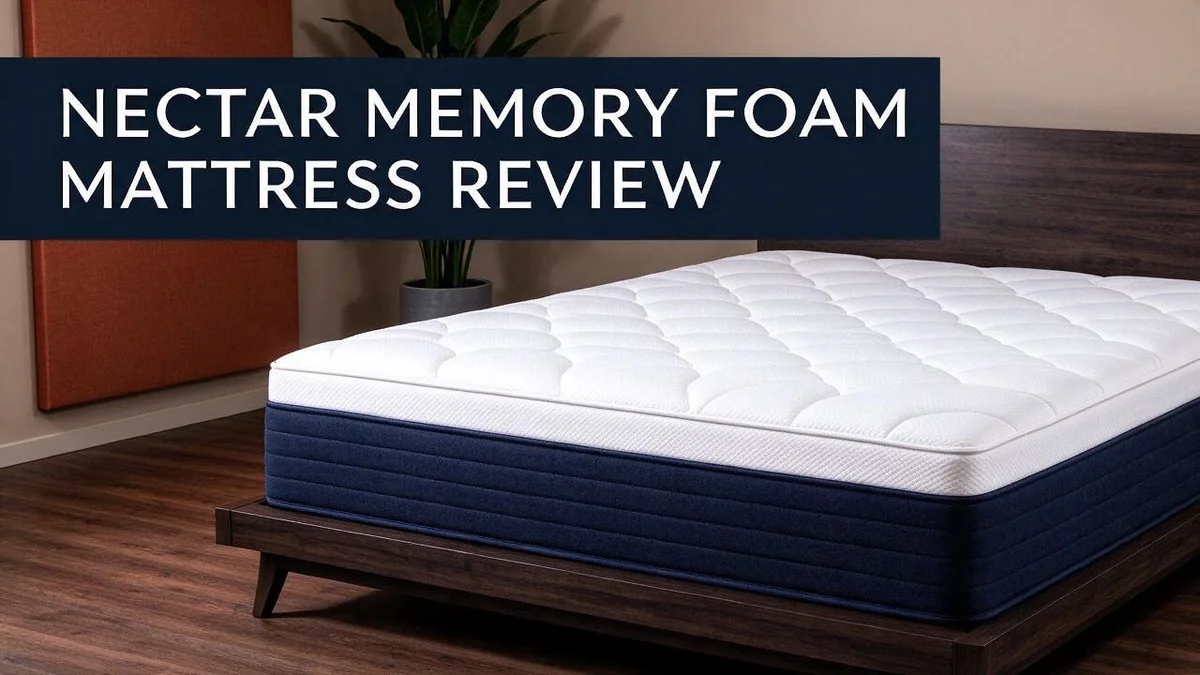
The Classic is built with gel memory foam. This foam forms the main body of the mattress. It shapes how the bed feels from top to bottom.
The top layer is a 4.0 inch comfort layer. It meets your body first. Because it sits closest to you, it sets the first impression of the bed.
Under that sits a 7.5 inch support layer. This thicker layer does most of the structural work. It helps keep your body from sinking too deeply into the mattress.
The layer measurements do not match every source. One listing shows a total height of 12.0 inches. The two layers add up to 11.5 inches, so the gap is small but worth knowing.
Check the height before you buy a frame or bed rails. Measure the mattress yourself for the most accurate fit. Height matters for sheets, bed skirts, and other bedding too.
Memory foam responds to heat and pressure. It softens where you press and slowly returns to its shape when you move. This response gives the bed its body-shaping feel.
Foam density plays a large role in how a mattress holds up over time. The research does not list a density figure for this model. Check the product details or ask the seller for that number.
The core foam is firmer than most all foam beds. MattressNerd gives the bed a 6.5 out of 10 firmness score. This build suits people who want a firmer surface.
The bed uses memory foam from top to bottom. This gives the surface a consistent feel. The research does not mention any coils or springs inside the bed.
Overall, the materials feel simple and focused. Two foam layers work together as one system. That simple design keeps the bed easy to understand.
Firmness and Support
Firmness is often the first thing people notice when they lie down. The bed earns a 6.5 out of 10 from MattressNerd. That score points to a surface with a clear, supportive feel.
A firmer surface keeps the hips and shoulders from sinking too deep. This helps many back sleepers keep the spine in a neutral line. It also feels steady when you change positions during the night.
Side sleepers often need a softer feel at the shoulders and hips. A very firm bed can press on those areas. Try lying on your side for several minutes before you decide.
Stomach sleepers usually prefer a firm surface. It stops the midsection from dipping too low. That keeps the back flatter and reduces strain on the lower back.
Body weight changes how the bed feels, too. Lighter sleepers may find the surface less cushioned. Heavier sleepers often feel more push back from the core foam.
Pressure points deserve attention, too. Hips, knees, and shoulders carry most of the weight. Good pressure relief keeps these areas comfortable through the night.
The base matters as much as the top layer. A solid platform keeps the surface level. Slats set close together also support the foam well.
Partners often have different needs. One person may want more give while the other wants more lift. This bed suits a middle ground for many couples.
Rotate the mattress every few months. Even wear helps the support stay consistent. Both sides of a shared bed can age at a similar pace.
Give your body a few weeks to adjust. A new firmness level can feel odd at first. Most sleepers settle in after several nights of rest.
Check how you feel after a full week. Short tests can miss slow changes in comfort. A longer look gives a fairer picture of daily support.
Cooling and Sleep Temperature
Many sleepers worry that memory foam holds onto body heat. The Classic uses gel memory foam, which can help the surface feel cooler at night.
Your bedroom temperature matters a lot. A room set between 60 and 67 degrees Fahrenheit supports deeper sleep for many people. Keep blinds closed during the day to block warm sunlight.
Your bedding can add or remove heat. Choose cotton, linen, or bamboo sheets for light airflow. Pick a lighter comforter in summer, and save heavy quilts for winter.
Sleep position also changes how warm you feel. Stomach sleepers press more of their body onto the surface, which can trap warmth. Back and side sleepers usually release heat more easily.
Night sweats need a simple plan. Keep a glass of water on the nightstand. Wear light pajamas made from fabric that pulls moisture away from your skin.
A warm shower about ninety minutes before bed can help your body cool down later. Your core temperature drops as you fall asleep, so this timing works well.
Watch for signs of overheating. Waking up damp, kicking off covers, or feeling restless all suggest the room or bedding runs too warm. Adjust one thing at a time so you can spot what helps most.
Partners can feel temperature differences too. One person may run hot while the other stays cold. Using separate blankets lets each sleeper pick their own warmth level.
A fan can make a big difference. Moving air helps sweat dry faster and makes the room feel fresher. Place a fan so the breeze does not blow directly on your face.
Unpack the mattress in a cool room and let it air out for a few hours. This short step helps you judge the true temperature on night one.
Test your setup for a full week. Track how you feel each morning. Small changes in bedding or room temperature can make a clear difference over time.
Top 3 Alternatives
Casper Original Mattress

Last update on 2026-10-25 / Affiliate links / Images from Amazon Product Advertising API
The Casper Original works well for back sleepers and side sleepers alike. It uses layers of foam that feel supportive yet soft. Many shoppers like its balanced feel. The cover is breathable, so you stay cool through the night.
Casper offers a trial period, so you can test the bed at home.
Tuft & Needle Original

Last update on 2026-10-24 / Affiliate links / Images from Amazon Product Advertising API
Tuft & Needle Original keeps things simple. It uses a dense foam top that feels firm and springy. People who sleep hot often appreciate how the mattress keeps air moving. It suits combination sleepers who shift positions often. Couples may also enjoy how little motion carries across the bed.
Purple Original Mattress

Last update on 2026-10-22 / Affiliate links / Images from Amazon Product Advertising API
Purple Original Mattress stands out for its grid-style top layer. The grid feels springy and stays cool under your body. Pressure relief is a main benefit here. Side sleepers often find the grid eases pressure on the hips and shoulders.
Choose Purple if you want a bouncier feel than traditional memory foam.
Sizes and Model Options
Nectar offers two model options, and each one comes in several sizes. The Classic and the Premier 13 both help you find a good fit for your room. Start with your space, then choose the model.
The Premier 13 line includes a wide range of bed sizes. Options run from a twin for a child’s room to an eastern king for a large primary bedroom. Each size has its own footprint, so look at your floor plan first.
Twin and Twin XL options work well for small spaces. A twin fits a narrow kids room or a guest room with little floor space. The Twin XL adds five inches of length, which suits taller teens and college students.
The full size is a popular pick for a single adult. It also suits a small guest room with a dresser and nightstand. Many couples find a full too tight for two people.
For couples, the larger options make the biggest difference. The cal king gives plenty of length, while the eastern king offers extra width. The eastern king is four inches wider than the cal king but four inches shorter.
Think about your daily routine before you choose. Do you read in bed, or does a pet often join you at night? More room can make those habits easier.
Compare each size chart side by side with your room measurements. The Classic and Premier 13 lines may list different dimensions, so do not assume they match. A quick comparison saves time and avoids surprises at delivery.
Some sleepers pick a size that feels slightly bigger than they need. Extra room can ease tossing and turning. It also gives a partner space to move without waking you.
Choose the size that fits your room, your body, and your sleep habits. A good size makes the bed feel more comfortable every night. Take your time and compare your options before you buy.
Customer Service and Ownership Experience
Customer service comes up often in user discussions. Many owners share their experiences online. Some feel well supported, while others wait longer than expected for replies.
Good support can make ownership much easier. Plan for it before your mattress arrives. Keep your order number, receipt, and confirmation email in one folder.
Gather a few details before you reach out. Write down your model, size, and order date. Take clear photos of any damage, stains, or sagging. This helps the support team understand your issue faster.
Be polite and clear in every message. Ask one question at a time. Short, direct messages often get quicker answers than long emails with many topics.
Contact details and policies can change, so check the official website first. Look for the help section and read the policy pages. Review the warranty terms carefully, too. They explain what the company covers and what it does not.
Ownership also includes the first few weeks at home. Give your body time to adjust. Memory foam often feels different after several nights of sleep.
Keep simple notes about your sleep. Record how firm the surface feels. Note any pressure in your hips or shoulders. Track whether you wake up warm. These notes help you decide whether to contact support.
Set up a basic care routine. Rotate the mattress every few months. Use a breathable mattress protector. Keep the bed frame sturdy so the base supports the foam evenly.
Good care also protects your warranty. Avoid moisture and stains. Clean spills quickly with a damp cloth. Let the bed air out before you add fresh sheets.
If you move the mattress, plan the trip carefully. Memory foam can take time to expand after being compressed. Let it rest on a flat surface for several hours before you sleep on it.
Ownership feels easier with a clear plan. Know who to contact, keep your records, and care for the bed. A calm approach helps you get the most from your purchase.
Pros and Cons
Pros
- Minimal noise keeps the bed quiet during the night.
- Excellent cooling helps many sleepers stay comfortable.
- Edge support feels strong when you sit or sleep near the side.
- Gentle contouring gives a soft hug without feeling trapped.
- Breathable comfort helps air move through the surface.
Cons
- The feel is firmer than most all-foam mattresses.
- Intimacy performance rates as good but not great.
- Some owners report recurring complaints about customer service.
Who Should Buy It
Not every sleeper wants the same feel. This mattress suits people who enjoy a medium firm surface. Back sleepers often like the steady support it offers.
Side sleepers may also find it helpful. The contouring layers give the shoulders and hips a gentle cradle.
Combination sleepers who shift positions all night can benefit too. The surface feels balanced, so it does not feel too sinky or too stiff.
People who dislike the bounce of coil beds often prefer foam. This design feels smooth and close to the body. It may appeal to anyone who wants a seamless feel.
Guest rooms are another good match. A comfortable bed helps visitors rest well. It also works in a teen room or a first apartment where one bed must serve everyone.
Shoppers who want a very plush, pillowy top may feel differently. This model leans firmer, so it may not match that dream.
Some buyers should keep looking. Anyone who needs a very soft top layer may want to compare other models first.
Test before you decide. Lie down in your usual sleep position for at least fifteen minutes if you can. Pay attention to pressure points and how your back feels when you stand up.
The best choice matches your habits, not just a trend. Trust your body and choose the feel that helps you rest well.
Final Verdict
Our final verdict is positive for the right sleeper. The Nectar Memory Foam Mattress offers a steady and balanced feel. It suits people who want a dependable place to rest every night.
Think about tradeoffs before you commit. No bed wins every category. This model leans toward a firm, stable surface. Heavy sleepers may notice how the surface holds their weight.
The thickness details also deserve a closer look. Sources list layer depths that do not fully match the total height. Always confirm the exact build on the product label before you buy.
Read reviews with a balanced eye. Positive reviews describe calm, steady nights. Critical reviews focus on the service experience. Both sides offer useful clues about what to expect.
Couples often have different preferences. Each partner should share honest feedback before making a choice.
Consider your future needs as well. Body weight, age, and sleep habits can shift over time. A bed that fits today may need a fresh look later.
Foam can soften slightly as it warms, so the first night may feel different from later nights. Judge the mattress after you have had time to settle in.
Finally, measure your stairs and doorways before delivery day. A box that cannot pass through the entry causes stress you can avoid.
Start with your top three needs. Write them down before you compare beds. If this mattress meets those needs, it can be a strong long term choice.
In short, this mattress deserves a close look. It delivers calm, steady rest for many sleepers. Good decisions come from clear priorities, not hype. Take your time and compare with care.
Frequently Asked Questions
Can this mattress help with back pain?
A medium firm feel often suits people who want steady support. The gentle contouring may ease pressure on the hips and shoulders. Talk with a doctor if you have a serious back condition.
What sizes does the Nectar Memory Foam Mattress come in?
You can choose from five sizes. The range includes Twin, Twin XL, Full, Cal King, and Eastern King. Pick the size that fits your room and your sleep style.
What is the difference between the Classic and the Premier 13?
The Classic uses gel memory foam with a medium firm feel. The Premier 13 comes in 13 sizes. This wider choice can help you find a precise fit for your bed space.
Does it need a special bed frame?
Most foam mattresses work best on a firm, flat base. A platform bed or a slatted frame usually works well. Keep the slats close together. Wide gaps can cause sagging over time and make the surface feel uneven.

Hi, I’m Rose Callahan, the creator of SpaceSmart.blog.
I review home essentials, gadgets, security tools, kitchen gear, furniture, and cleaning products from Amazon.
My goal is to help you create a smarter, more organized, and comfortable living space.
I test and share practical products that make everyday home life easier and more efficient.
Join me as I explore clever ways to upgrade your home—one smart find at a time.