Tempur-Pedic TEMPUR-ProAdapt Medium Hybrid Mattress Review
Do you wake up stiff and tired? Your mattress might be the cause. Many sleepers want a bed that feels soft yet supportive.
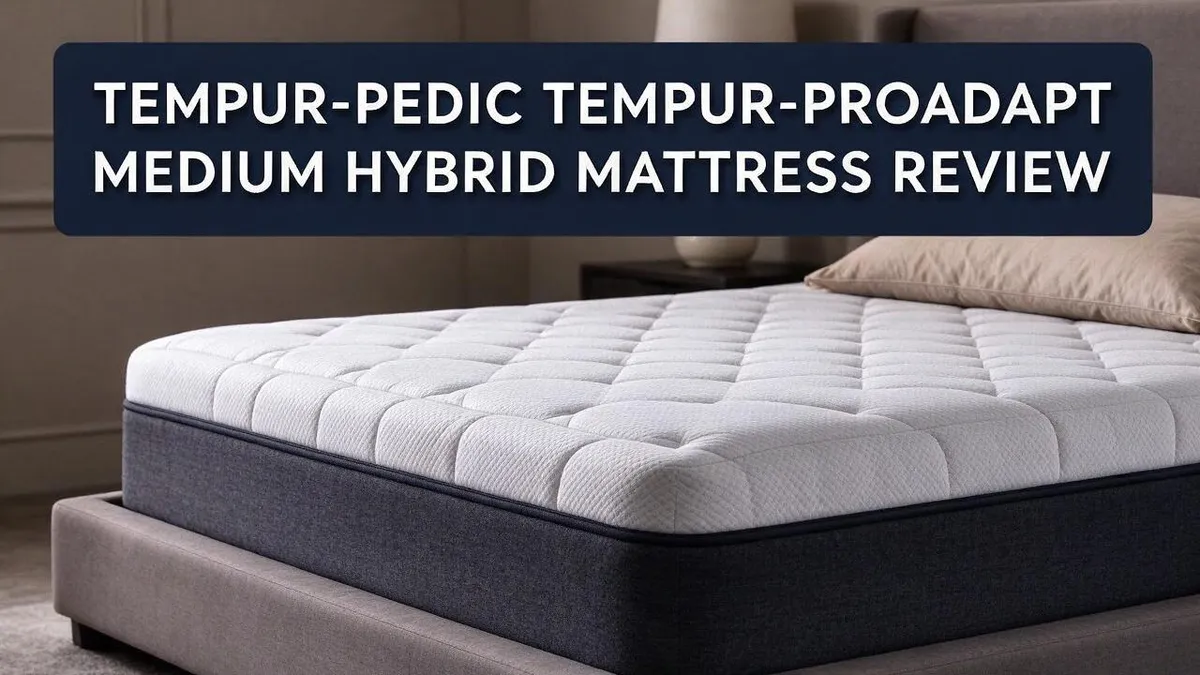
The Tempur-Pedic TEMPUR-ProAdapt Medium Hybrid pairs a comfort layer with spring support. It stands 12 inches tall. Its cover stays cool and can be washed.
The manufacturer says this bed offers strong pressure relief. It also claims up to 30% more conforming support based on its own testing. That claim is worth a closer look.
In this review, you will find the key facts. You will also see how it compares with other popular options. Let us see if this hybrid is the right fit for you.
In a Nutshell
-
Sizes fit most sleepers: Shoppers can choose twin, twin XL, full, queen, king, or split king. Couples often pick the king or split king because they offer plenty of room for two people to move freely at night.
-
Softer feel than the original: The hybrid version feels softer than the non-hybrid ProAdapt Medium. Some sleepers may find the classic version firmer and denser, so the hybrid may suit people who want a gentler surface.
-
Extra conforming support: The maker reports up to 30% more conforming support in its own internal testing. This claim comes from the brand, so independent results may vary.
-
Cool and easy to clean: The cover stays cool to the touch and can be washed. This helps hot sleepers and busy households keep their bedding fresh with less effort.
-
Construction needs a closer look: One user report describes a soft TEMPUR-Es layer over APR foam. Buyers should confirm the exact build with the seller before they decide.
-
Strong rivals to compare: TEMPUR-Adapt, LuxeAdapt, Tempur-Breeze Luxe, and DreamCloud are close alternatives. Each one suits a different sleep style, so comparing feel and firmness helps you choose the right match.
Pressure Relief and Conforming Comfort

Last update on 2026-10-25 / Affiliate links / Images from Amazon Product Advertising API
Pressure builds up where your body meets the bed. Hips, shoulders, and knees carry most of that weight. Good pressure relief spreads the load across a wider area, so sore spots feel less strain.
Side sleepers often feel this most. Narrow contact points can cause tingling or aches by morning. A medium feel often suits this position well.
Back sleepers need a different balance. The lower back needs gentle support so the spine stays in a neutral line. Too much sink can leave the hips sagging.
Stomach sleepers should look for a firmer feel. Deep sinking can strain the neck and lower back. Check how your body settles after a few minutes of lying still.
Movement matters too. Many people roll over several times each night. A surface that responds quickly helps you change positions without waking up fully.
Partners may notice different needs. One person may want more cushion while the other wants more lift. Try lying down together before you decide.
Body weight changes the result. Heavier sleepers often sink deeper into the same surface. Lighter sleepers may notice less pressure relief overall.
Give your body time to adjust. Your first night may feel unfamiliar. Stay in your usual sleep position for at least 15 minutes before you judge the comfort.
Pain relief depends on alignment as well as softness. A bed that supports the spine helps muscles rest. Pillows can also fill small gaps and reduce strain on the neck.
Keep notes on how you feel each morning. Write down where you feel stiffness or pressure. Patterns over two weeks reveal more than one good night.
Comfort is personal, so trust your own feedback. Pressure relief should feel calm, not trapped. If you wake with sore hips again, your bed may need a closer look.
Small habits can help too. Shift your position before bed and keep your shoulders relaxed. These habits work together with the bed and improve your sleep.
Spring Support and Body Alignment
Good body alignment starts with a stable base. Spring support gives this bed a steady core beneath the comfort layer.
When weight presses down, the coils push back. That push helps your spine stay in a more natural line.
Think of the difference between a shelf and a hammock. A shelf holds its shape under load.
A hammock sags in the middle. Your mattress should feel closer to the shelf. A balanced core stops your hips from dropping too far.
Edge support deserves attention too. Coils near the outer rim keep the surface firm when you sit on the edge.
They also stop you from sliding to the side during the night. Staying centered makes it easier to keep a straight spine.
Check your alignment at home. Lie on your back and slide one hand under your lower back. A small gap is normal.
A large gap suggests the bed is too soft for your frame. Side sleepers should repeat the test on their side. Your shoulder and hip should line up with your spine.
Pillow height also affects alignment. A thick pillow tilts the head and strains the neck.
A thin pillow may leave the head too low. Choose a pillow that keeps your head level with your spine.
Spring support works best when your pillow matches your body.
Watch for changes over time. Coils can soften after years of use. Rotate the bed every few months to spread wear evenly across the coils.
Sagging springs can pull the spine out of line. If you notice a dip in one spot, contact the maker for advice.
Your body gives the clearest answer. Note whether you wake with a straight back and loose hips.
Small signs matter more than marketing claims. Use these clues to judge the bed fairly. Keep a short log for two weeks.
Cooling Performance and Cover Design
Hot sleepers often wonder if a mattress can keep them comfortable all night. Heat can build up in many foam beds, since foam tends to hold body warmth close to the skin.
The ProAdapt uses springs under its comfort layer. Coils leave open space for air to move. That airflow may help heat escape from the core of the bed. A breathable foundation adds more airflow underneath.
Your bedding matters just as much. A thick comforter can trap warmth above the mattress. Choose lighter sheets made from cotton, linen, or blends that pull sweat away.
Room temperature also plays a big role. Many sleepers rest best between 60 and 67 degrees Fahrenheit. A fan can keep air moving near the bed.
Cover design affects how the surface feels at night. Ask about the fabric blend and weave before you decide. Lighter, breathable knits often feel more comfortable on warm nights.
Try the feel in person when you can. Lie down for ten minutes in your usual sleep clothes. Notice whether your skin feels warm or damp.
Partners may have different heat levels. One sleeper may run hot while the other stays cool. Separate blankets or a lighter throw can help both people sleep well. Couples who share a bed often compare notes early.
A breathable mattress protector adds another layer of comfort. It guards against sweat and spills. Choose one that lets air pass through easily.
Care matters too. Follow the label instructions closely to keep the cover fresh. Good care helps the fabric stay breathable over time.
Finally, keep a simple sleep log for one week. Note how warm you felt each night. This record reveals patterns that a quick test cannot show.
If night sweats keep waking you, talk with a doctor. Heat problems can come from health issues, not only from bedding.
Top 3 Alternatives
Casper Original


Last update on 2026-10-25 / Affiliate links / Images from Amazon Product Advertising API
Casper Original suits side sleepers and back sleepers. It offers a balanced feel that works for most people. The mattress combines foam layers with support coils. Many sleepers enjoy its gentle bounce and breathable surface. It also helps couples who shift position often during the night.
Nectar Memory Foam

Last update on 2026-10-22 / Affiliate links / Images from Amazon Product Advertising API
Nectar Memory Foam offers a soft, hugging feel. Its contouring foam eases pressure on the hips and shoulders. People with joint pain often find relief here. The cover also helps draw heat away from your body. It is a good choice for anyone who wants deep, cushioned comfort.
Helix Midnight

Last update on 2026-10-25 / Affiliate links / Images from Amazon Product Advertising API
Helix Midnight works well for combination sleepers. It blends responsive foam with coils for steady support. The reinforced edges stay firm, so getting in and out of bed feels easy. Sleepers who change positions through the night may enjoy this mix of comfort and lift. Read the trial and warranty details to find the best fit for your sleep style.
Sizes and Bed Compatibility
Choosing the right size starts with your room. Measure the floor space first. Leave enough room for doors, walkways, and nightstands.
The Twin and Twin XL suit kids, teens, and guest rooms. The Twin measures 39 by 75 inches. The Twin XL adds five inches in length, which helps taller sleepers feel more comfortable.
The Full works well for single adults who want extra width. It measures 54 by 75 inches. Many couples find it too narrow for two people, though.
The Queen is the most common choice for couples. It measures 60 by 80 inches and fits most standard bedrooms with ease.
The King and Split King give couples the most room. Both measure 76 by 80 inches. The Split King shares the same footprint as the King. It often works best for couples who want separate adjustable bases.
Bed frame compatibility matters just as much as size. Check the inside dimensions of your frame, not just the nominal size. A small gap can leave the edges of the mattress unsupported.
Foundation support keeps the mattress firm and even. Slats should sit close together. Your springs and comfort layer need steady support across the whole surface.
Adjustable bases are another option. Check the manufacturer guidance before you pair this model with one. Some warranties depend on using approved bases, so read the details first.
Bed height and depth also count. At 12 inches tall, this mattress adds noticeable height to your bed. Choose deep pocket sheets that fit well. Make sure your nightstands and bedside lamps still suit your daily routine.
Measure twice before you order. Compare your bedroom and frame against the sizes above. A good fit makes setup easier and helps the mattress perform as intended.
Care and Long-Term Upkeep
Keeping a mattress in good shape takes very little time. Simple habits protect the comfort layer and the internal springs for years.
Start by rotating the mattress every three months. Swap the head and foot ends so wear spreads evenly. Always check the care label first, because some hybrids should not be flipped.
Vacuum the top surface once a month. Dust, hair, and skin cells collect in the seams and the cover. Use a soft brush attachment and keep the strokes light.
Treat spills right away. Blot the spot with a damp cloth and a few drops of mild soap. Scrubbing pushes the liquid deeper into the layers.
Skip harsh cleaners such as bleach or strong solvents. They can break down the fabric and leave a smell that lingers. Stick with cool water and gentle products.
Dry the surface fully after any moisture reaches it. Trapped water can cause mold and may rust metal coils. Open a window or run a fan for several hours.
Keep the mattress away from direct sunlight for long periods. Strong heat can soften foam and fade the cover. Close the curtains during the day when possible.
Wash the cover only when the label says it is removable. Use cold water on a gentle cycle. Air dry it fully before putting it back on the mattress.
Protect the edges by avoiding heavy sitting on one side. Keep pets and children from jumping on the bed. Strong impacts can loosen the internal support over time.
Check the base at least twice a year. Look for loose slats, sagging frames, or squeaks. Tighten bolts so the foundation stays flat and even.
Moving the mattress needs extra care. Carry it on its side with two people. Never fold it or lay it on a rough floor.
Watch for signs that the mattress needs replacing. Deep dips, lumps, or constant aches may mean the support has faded. Trust how your body feels after a full night.
Pros and Cons
Pros
- Pressure relief is the main draw, which the manufacturer calls its maximum level.
- Spring support sits under the comfort layer for a bouncier base.
- The cool, washable cover helps keep the surface fresh.
- The manufacturer says it offers up to 30% more conforming support in its internal testing.
- Sizes run from twin to split king, so most bedrooms have a fit.
Cons
- The softer feel may not suit people who want a firm mattress.
- The manufacturer’s comfort claims come from its own testing, not independent reviews.
- Some details of the layer build come from a user report and are not verified.
- Shoppers who like the firmer non-hybrid version may find this model too plush.
Who Should Buy It
This mattress suits side sleepers best. Side sleepers often feel pressure at the hips and shoulders. A soft comfort layer may cradle those areas well.
Back sleepers can also consider this model. Many back sleepers want even support along the spine. The medium feel may offer that balance.
Combination sleepers who change positions often may like this middle ground. The surface gives some softness for side rest and steady support for back rest.
Couples who sleep differently may find common ground here. One partner might want a softer feel, while the other wants more firmness. This medium option sits between those two needs. A shared bed needs a surface that works for both people.
Shoppers who want an all foam feel should compare two models. TEMPUR-Adapt is an all foam medium option. It may suit people who prefer a dense, contouring surface with no spring layer below.
Readers who want a firm bed should look elsewhere. The research lists Tempur-Breeze Luxe as a firm choice. It may suit people who want a solid feel that pushes back against their weight.
Each option has a different balance of feel and support. Comparing them side by side helps you see which one matches your habits. Take notes on how you feel after a few nights of sleep.
Think about your sleep position first. Your habits matter more than any single feature on a spec sheet. Use the points above to narrow your list and choose the option that fits your nights.
Final Verdict
This hybrid suits people who want a soft, cushioned feel with a little bounce. It may not match every sleeper, so your personal needs should guide your choice.
Start with your main goal. Ask yourself what matters most. Do you want a plush surface that cradles your body, or do you need a firmer base that feels steady?
Try a home check before you commit. Lie on the mattress in your usual sleep position for at least ten minutes. Notice whether your hips, shoulders, and lower back feel supported. Then roll to your other positions and see how the surface responds.
Think about how you move at night. Some people shift often, while others stay still from bedtime to morning. Frequent movers often appreciate a surface that adjusts quickly. Restless sleepers should also notice how the bed handles a partner’s movement.
Compare the alternatives fairly. The research points to several close competitors. An all foam option may suit shoppers who want that exact feel. A firm model may serve people who need more push back. Each choice trades comfort for support in a different way.
Remember the source limits. Comfort claims come from the manufacturer, and construction details come from a user report. Read recent owner feedback to fill in the gaps. Real experiences often reveal what lab notes cannot.
Check the return policy early. A clear return window gives you time to test the bed at home. Read the terms before you buy, and keep your receipt and packaging. This step protects you if the feel does not match your expectations.
Our bottom line. This mattress earns a spot on your shortlist if you want a plush, cushioned surface on a bouncy base. Skip it if you need a firm bed. Test it in person whenever possible, because your body knows best.
Frequently Asked Questions
Does this mattress need a special bed frame?
Most sleepers can use a standard platform bed. The spring layer works best on a firm base with slats no more than three inches apart. Wider gaps can cause the support to sag over time. Check the frame before you set up the bed.
Can the springs make noise?
Some spring systems creak after months of use. Tighten the frame bolts first. Most squeaks come from the bed frame, not the mattress itself. If the noise continues, contact the manufacturer for guidance.
Does this mattress hold heat?
The cool cover helps with airflow, which is a good start. However, a soft comfort layer can still trap some warmth. Hot sleepers should lie on the surface for an hour or two and note how they feel. Light bedding and breathable sheets can also help.
How long does it take to get used to it?
Foam layers often need a few nights to settle. Your body also needs time to adapt to a softer surface. Give the bed at least a few weeks before you decide. Many people notice the best feel after the first week of regular sleep.
Is it a good fit for couples who weigh different amounts?
A hybrid design can limit movement transfer, though results vary from home to home. The softer top layer may let the lighter partner sink in more. The heavier partner may feel firmer support. Test the bed with both partners lying down together.

Hi, I’m Rose Callahan, the creator of SpaceSmart.blog.
I review home essentials, gadgets, security tools, kitchen gear, furniture, and cleaning products from Amazon.
My goal is to help you create a smarter, more organized, and comfortable living space.
I test and share practical products that make everyday home life easier and more efficient.
Join me as I explore clever ways to upgrade your home—one smart find at a time.